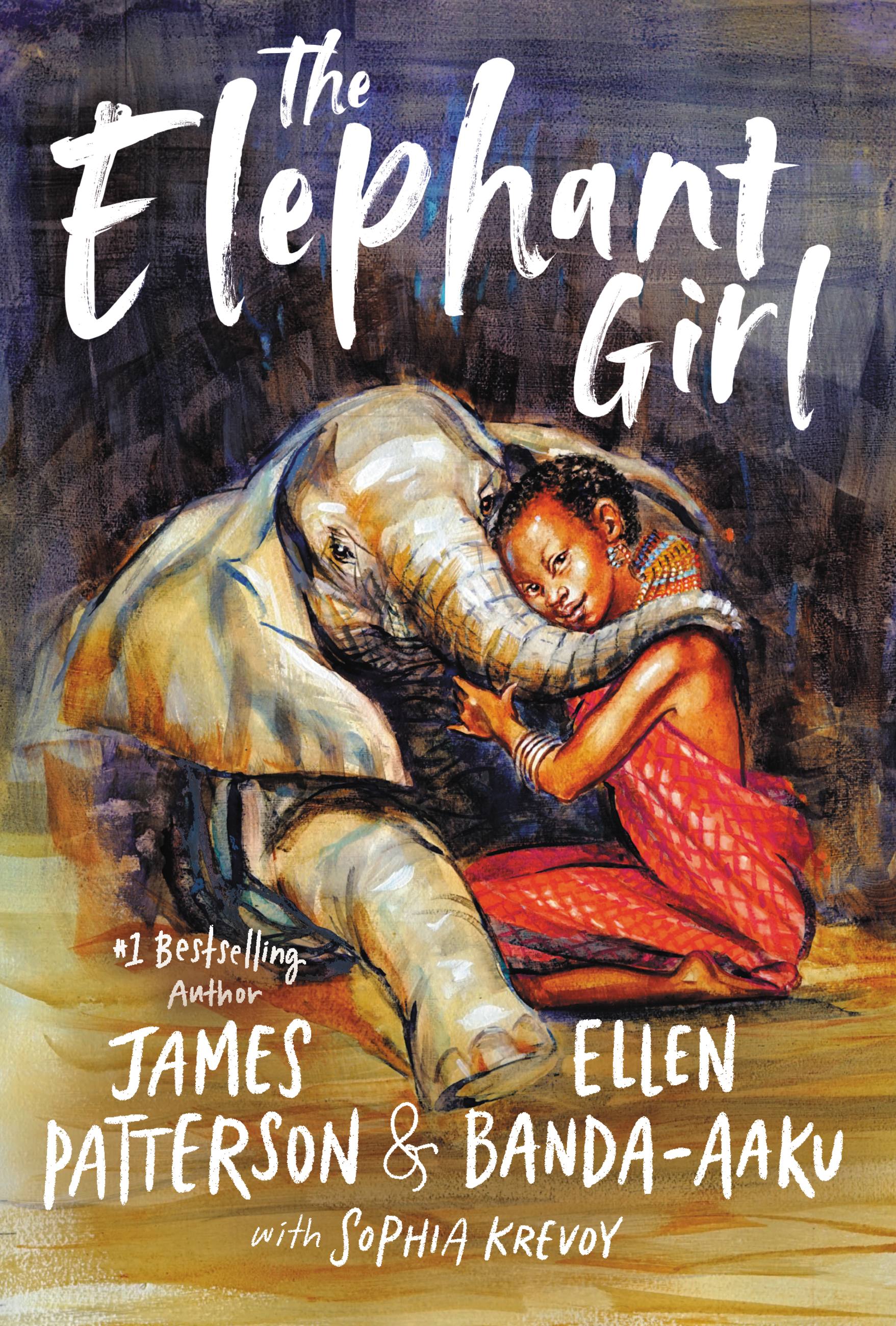
Having been a follower of
Sheldrick Wildlife Trust for years, I was
highly intrigued by James Patterson & Ellen Banda-Aaku's
The Elephant Girl when I learned of its publication, as it was
billed as being
inspired by true events, with a strong focus on
wildlife conservation and the serious issue that is
poaching. Though I can't say that
The Elephant Girl is as strong as
The One and Only Ivan,
Pax, or
Because of Winn-Dixie {all books that I have read and loved over the years} as there was a certain
je ne sais quoi missing within its pages; I would recommend it to readers who have enjoyed those very stories as they are all
character-driven, bringing some very
charming creatures and human counterparts to the forefront - not to mention a great deal of information on poaching, corruption amidst park rangers, and the amount of strength needed to rehabilitate these beautiful animals.
Life has not been easy for
Maasai twelve-year-old
Jama Anyango since her
Baba {father} passed away four years ago. In that time, Jama's mother has had to invest
all of her time and energy into
making sandals to sell in order to make ends meet. Though the sandals are works of beauty, and prized by all who purchase {mainly tourists}, the craft takes much out of Jama's mother, leaving Jama on her own quite frequently. Though Jama does not mind the solitude; the people within her
Kenyan village are
quick to comment on it in a negative light. You see, following the death of her Baba, Jama's mother elected to stay single - taking over the family business and proving that a husband is not necessary for survival. It is a mindset that has changed Jama in ways that not everyone in the village can understand -
nor is it their business to.
Jama
desires something more than
marriage and family - she longs for
education, the ability to make her own decisions, and the
same freedom as boys. Unfortunately, it is this
personal change that leaves her withdrawing from her
best friend, Nadira, and the other girls in the village, as they are only interested in
boys and marriage; in turn, the other girls and Nadira begin to exclude her from gatherings - isolating Jama and making her feel alone. After one such occasion, Jama begins
escaping to a nearby watering hole outside of the boundaries her mother has set for her. It is her quiet place; her secret place. It is also where she develops a
kinship with the elephants. There is
Shaba, the leader, along with
Bawa, Lulu, Modoc, Loasa, Tabia; and then, one day, she witnesses Shaba's birth of little
Mbegu. Jama quickly develops a deep bond with Mbegu, and begins visiting more frequently - which is how she discovers a
poacher in their midst.
Recently, the village has welcomed
Solo Mungu, an employee with the
Kenya Wildlife Service, and the Head Ranger responsible for ceasing poaching practices seen within the
Naibunga Conservatory - land which borders Jama's village. It is Solo Mungo's son,
Leku, who the village girls are swooning over, but whom Jama views as a
local bully. With Solo Mungo in the village, Jama is confused as to why a poacher would be so boldly present in the area -
until late one night she finds a connection {not to mention a newfound ally}. Following the death of one of the elephants, the
peaceful creatures become agitated, resulting in an
unexpected stampede that ends in tragedy - forcing
Jama and Mbegu, bruised and bloodied, to flee and embark on a new journey in a place different than they have ever known before.
When I say that this is a
melancholy book, it is
not an exaggeration.
The Elephant Girl is
steeped in sorrow; and while it was easy to finish within a few hours, it was difficult not to keep thinking about it. There is
so much heartache that pours from the pages; but, as we near the conclusion, there is happiness -
kind of like the rainbow after the rain. Though I
predicted that I would never grow to so much as like
Leku, he manages to redeem himself multiple times within the story. But it is
Jama, both lovable and relatable in her plight of
self-discovery and growth, along with her
elephant family, who are the true stars. The sacrifices made, the dangers faced, the changes required...these were handled
eloquently - as were the scenes starring the
Sheldrick Wildlife Trust. I do have
two qualms though.
First, I found that the pacing was not always
fluid - it oftentimes
felt rushed and haphazardly put together, which detracted quite a bit from the enjoyment factor. Second, though
The Elephant Girl is billed as being
inspired by true events, there is nothing listed in the back of the book indicating the true events that inspired it; and countless time spent Googling for such information yielded zero results. This was disappointing to me as a reader who enjoys learning more about the inspiration behind a book such as this -
but maybe that's just me. Overall,
though it had its flaws, I did enjoy the amount of information and heart compacted within this tale, and recommend it to animal lovers - especially if you favor
elephants.
Star Rating: ***1/2
xx